
Learn. Play. Connect.
American Mahjong classes, parties, team building & events across the SF Bay Area


American Mahjong classes, parties, team building & events across the SF Bay Area

I've been playing American Mahjong since 2011 and experienced firsthand the joy of stepping away from our busy lives, putting down our phones, and connecting with friends over this challenging and fun game.
In January 2025, I became a certified Oh My Mahjong "Mahji Mentor" and launched Bay Area Mahj — BAM! (a play on the bamboo mahjong tile) — to share my passion with the community.
Whether you're a complete beginner or a seasoned player looking to sharpen your skills, I'd love to welcome you to the table.
Join us at the table!
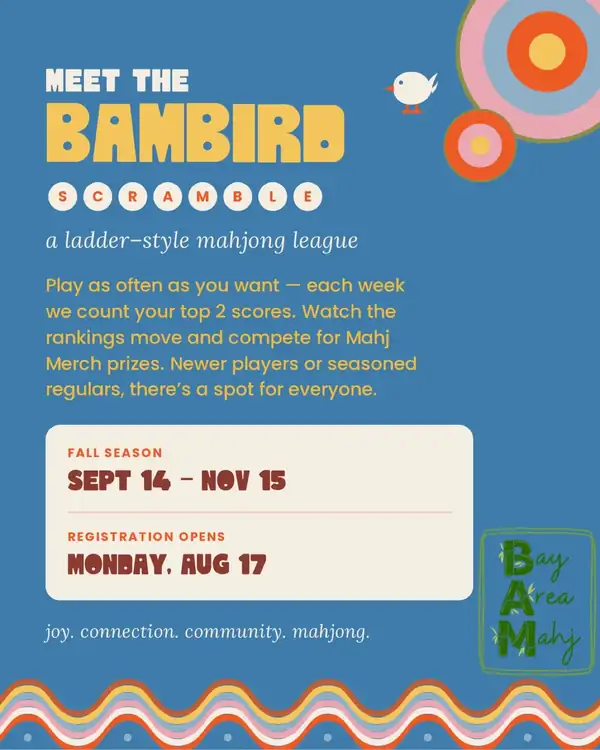
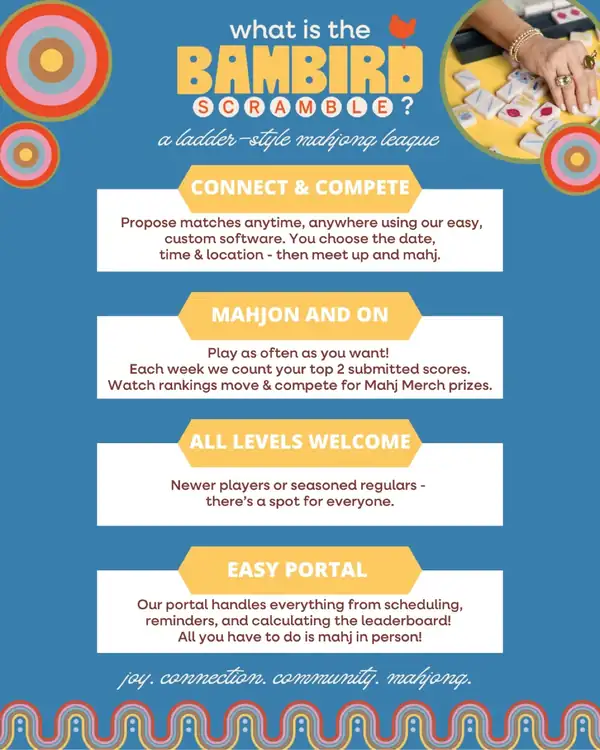
A ladder-style mahjong league — flexible, play on your schedule, top two scores each week count. Sept. 14 – Nov. 15, $75.
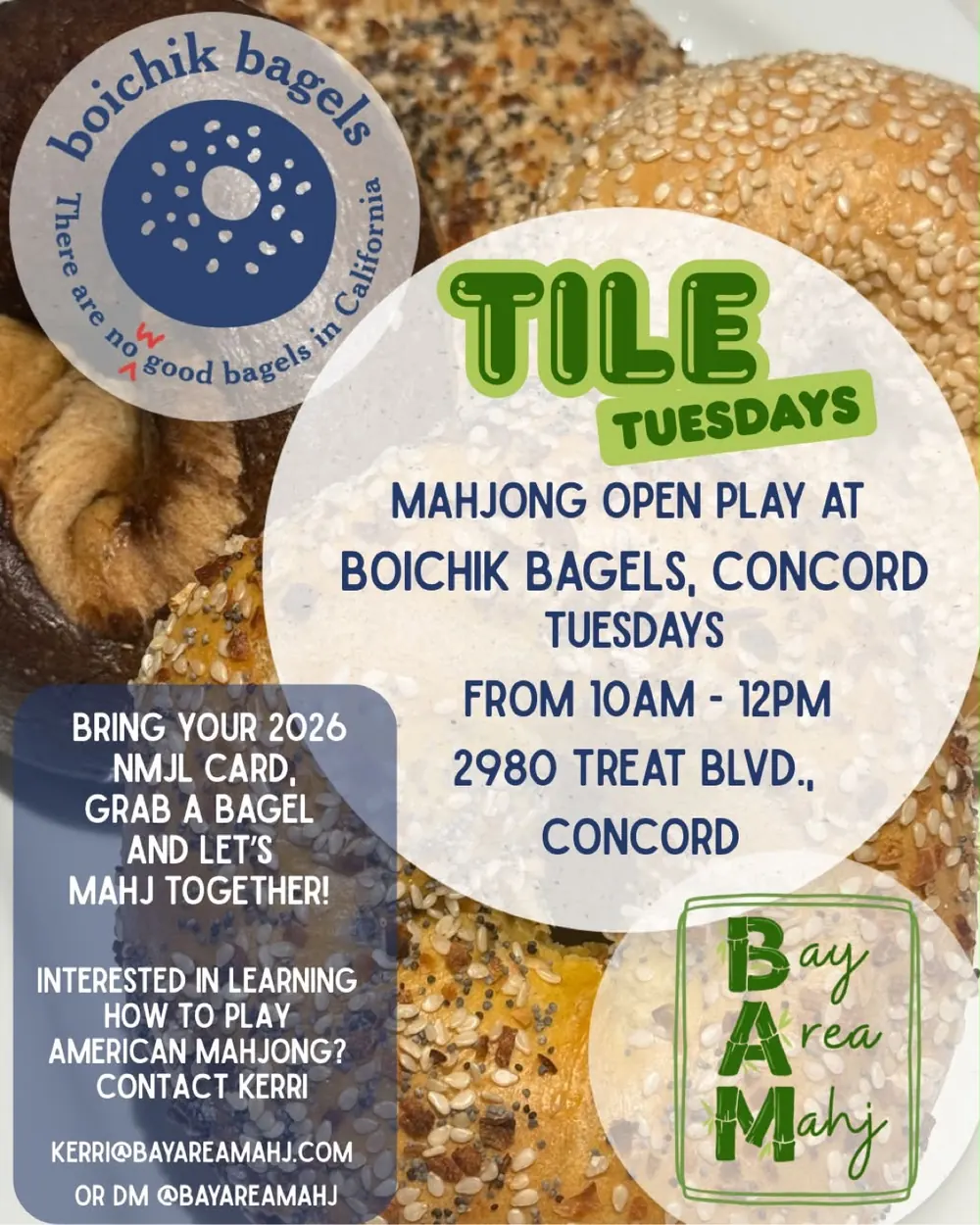
Mahjong open play at Boichik Bagels, Concord — Tuesdays from 10am-12pm. Bring your 2026 NMJL card, grab a bagel and let's mahj together!
📍 2980 Treat Blvd., Concord — tables near Boichik Bagels
Interested in learning? Contact Kerri or DM @bayareamahj
Order your official 2026 National Mah Jongg League card — required for play!
Order CardFrom beginner classes to 38-table fundraisers — there's a seat at the table for everyone
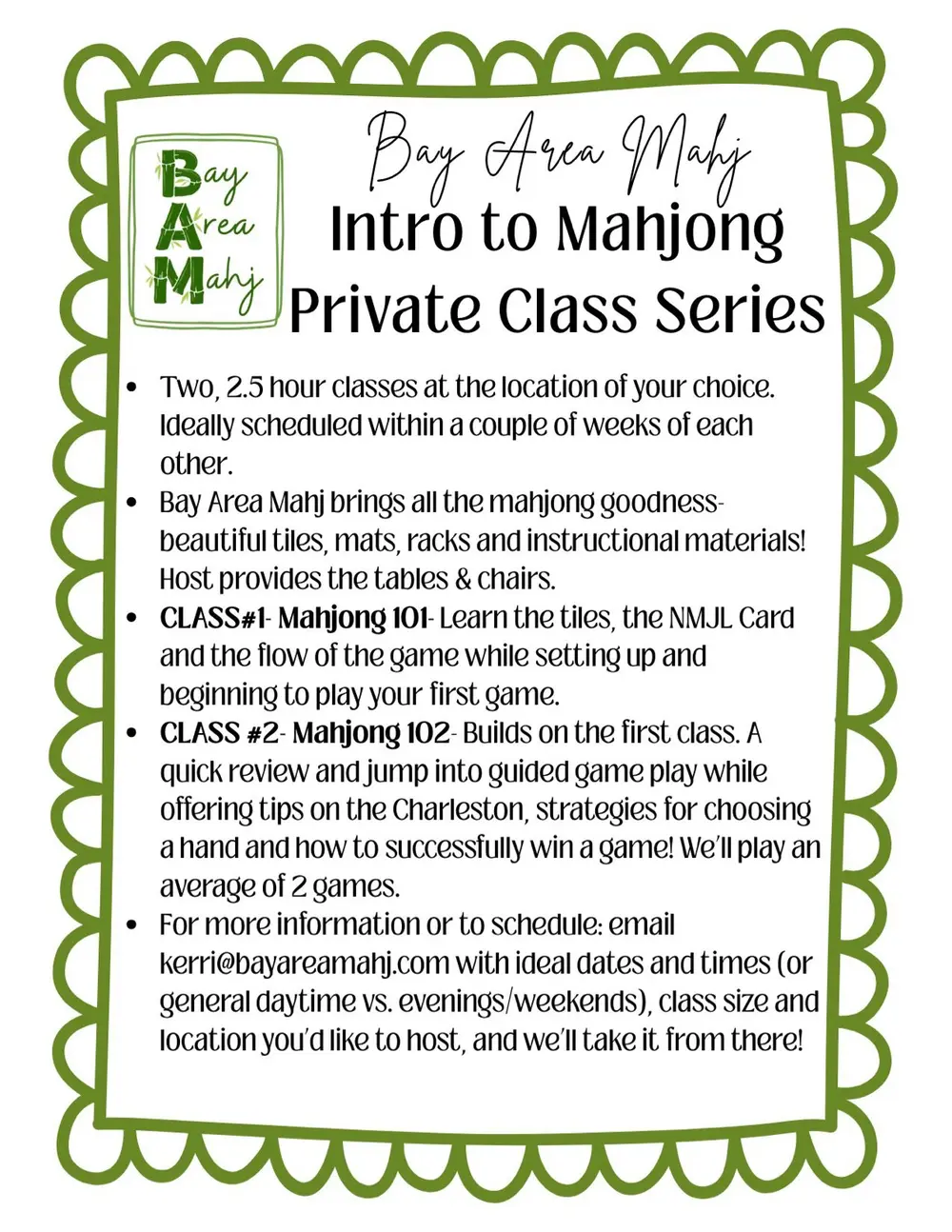
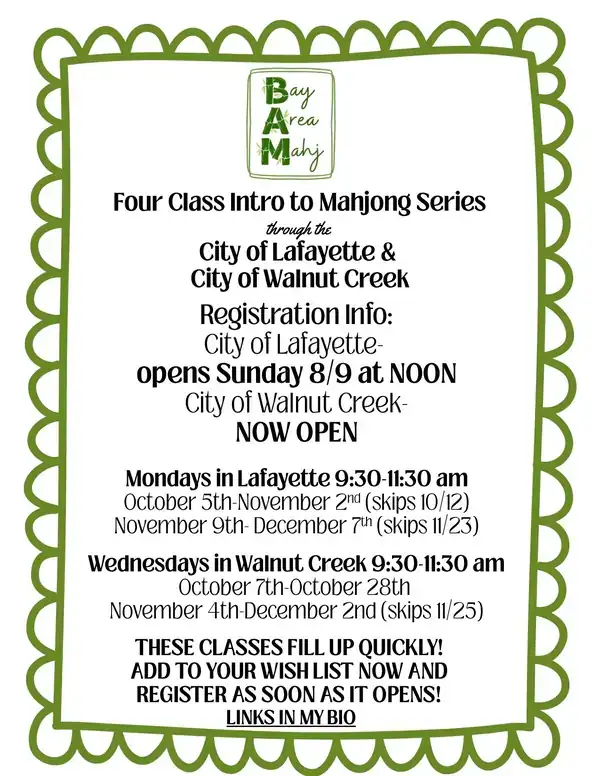
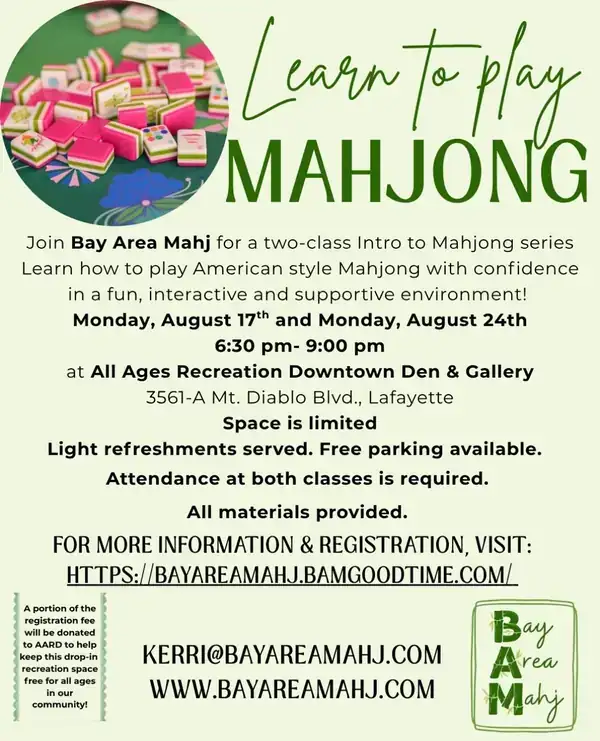
Learn American Mahjong from scratch or level up your game. Small group settings with personalized attention from a certified instructor.
Already playing? Get in touch for additional offerings to level up your game

Learn at your own speed with private one-on-one instruction tailored to your pace and skill level.

Girls' night, book clubs, birthday celebrations — Kerri brings the tiles, teaches the game, and runs the party. Pure fun. Now offering kids' birthday parties too! @minimahjer

A unique, interactive way to build real connections at your company offsite. Way better than trust falls.

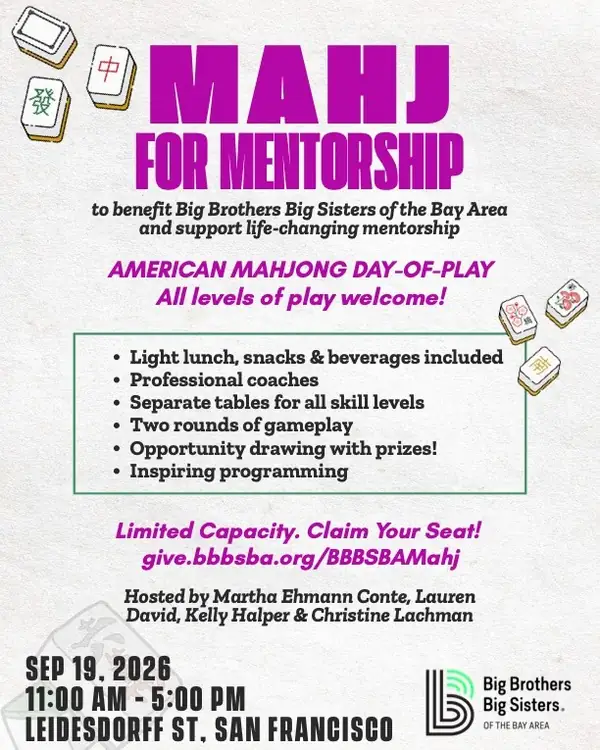
Kerri organizes and runs large-scale mahjong fundraisers for organizations. Most recently: a 38-table Mahj Madness event!

Community open play sessions at local Bay Area venues like Boichik Bagels. Once you've taken a few classes and feel comfortable around the table, join us to play! For more details, send us a message.
Real moments from our classes, events, and community game nights


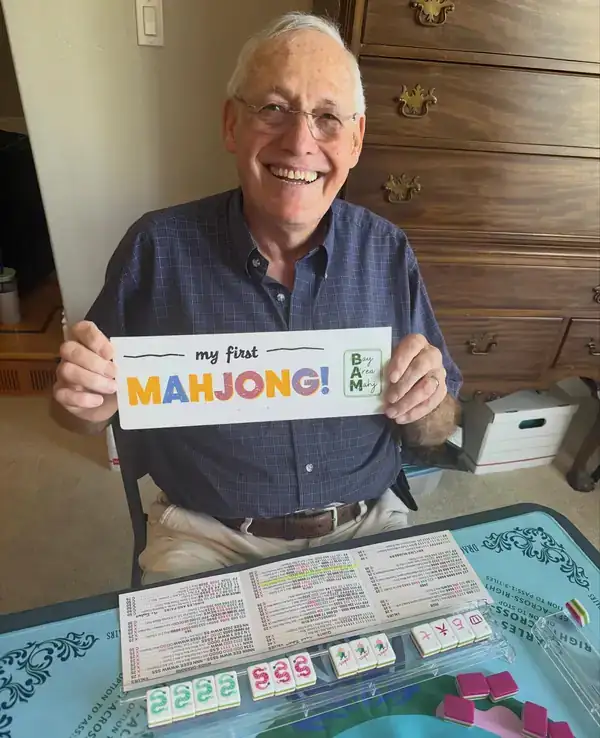
A growing community of mahjong lovers across the Bay Area

Curated picks from a certified instructor — use my codes and save!

There are so many companies making fantastic tiles and mahjong accessories! Part of the fun of the game is creating the perfect tablescape for every occasion. I'm proud to be an affiliate for some of my favorite brands so I can offer discounts to my students and friends.
Can't decide? Reach out and I'll help you choose the perfect set!
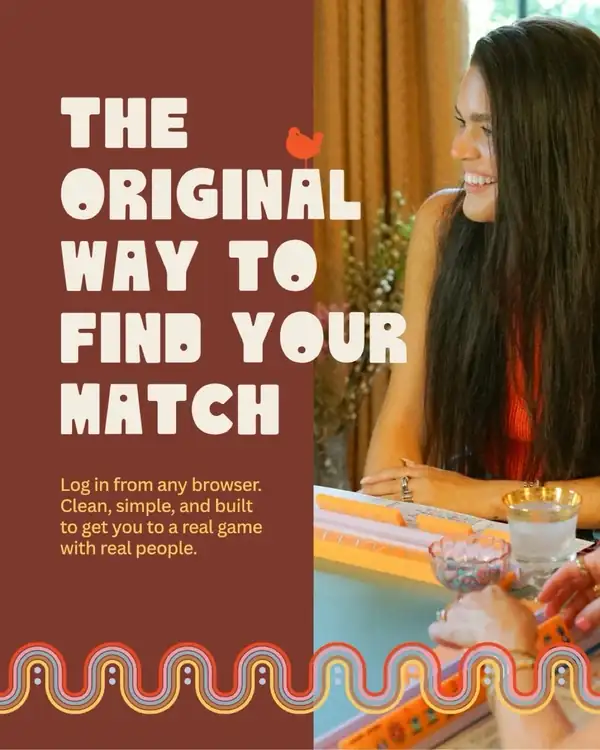
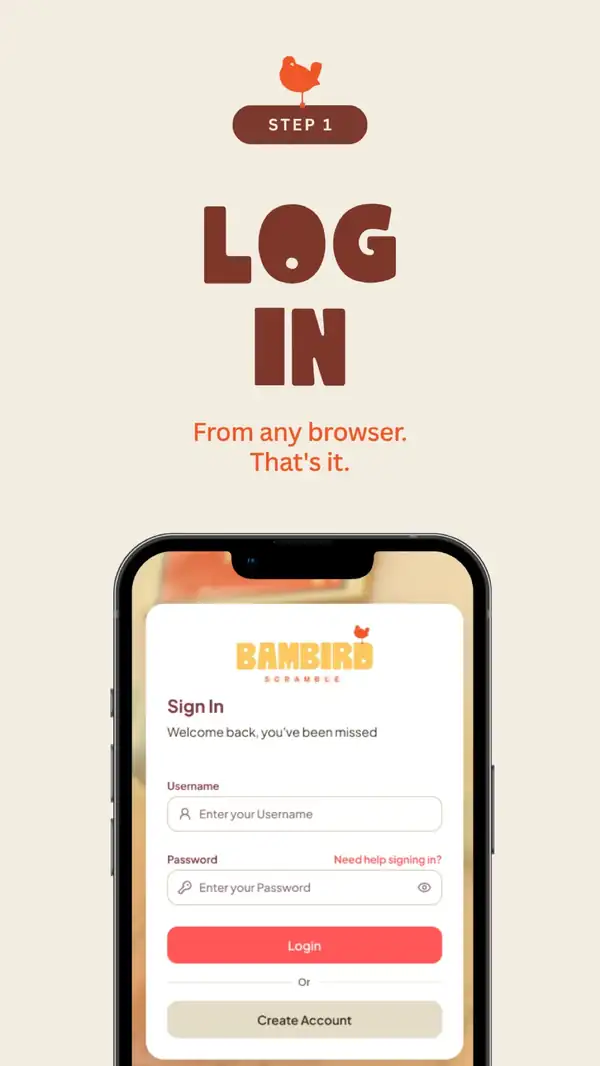
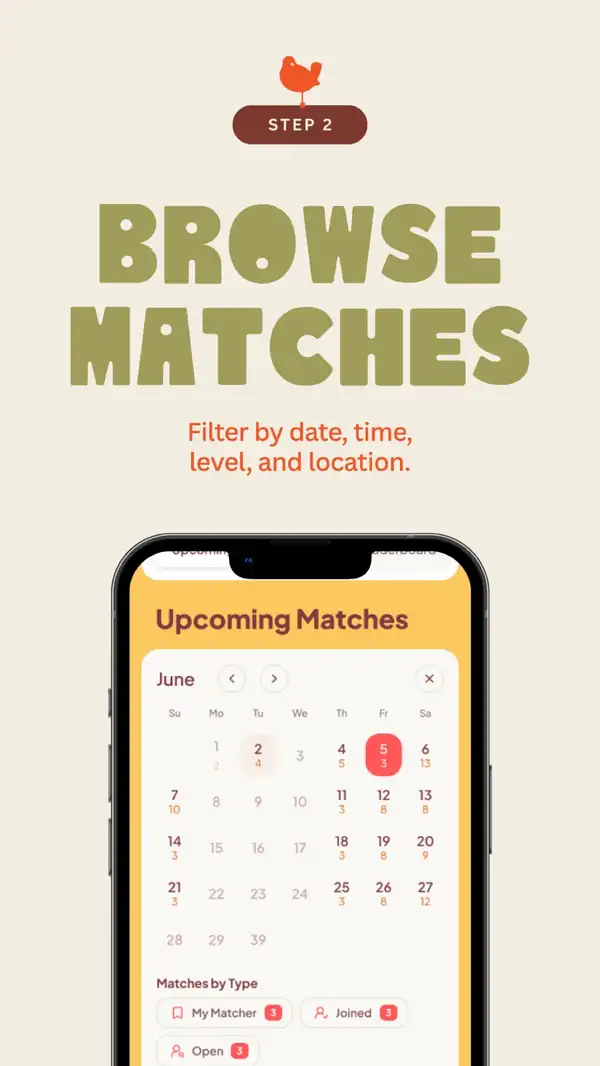
SF East Bay Bambird Scramble — Fall 2026 — Registration is LIVE!
Sept. 14 – Nov. 15 | 9 weeks of flexible, social mahjong

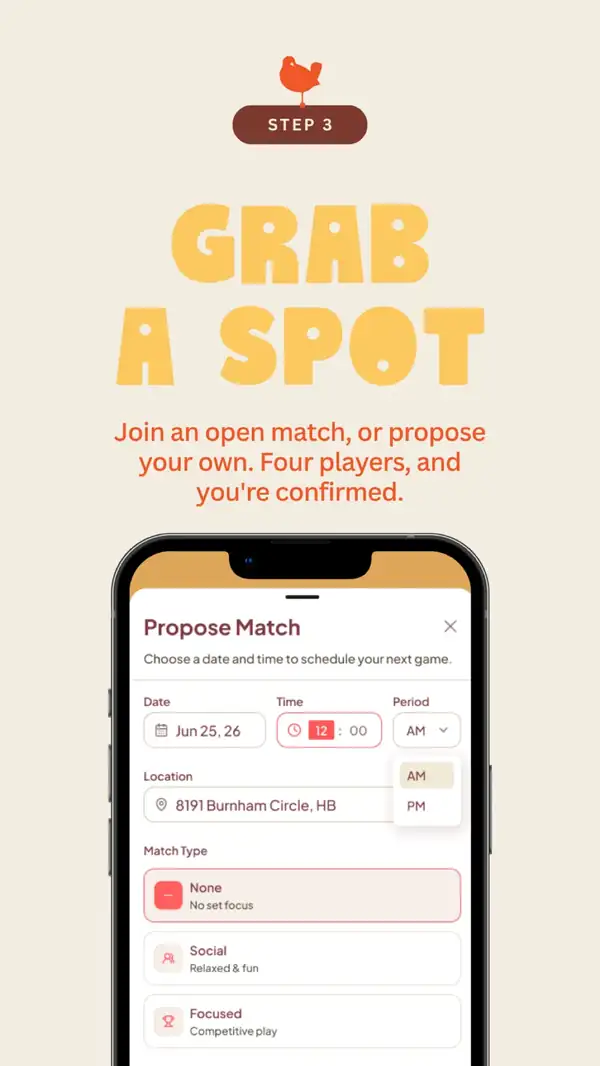
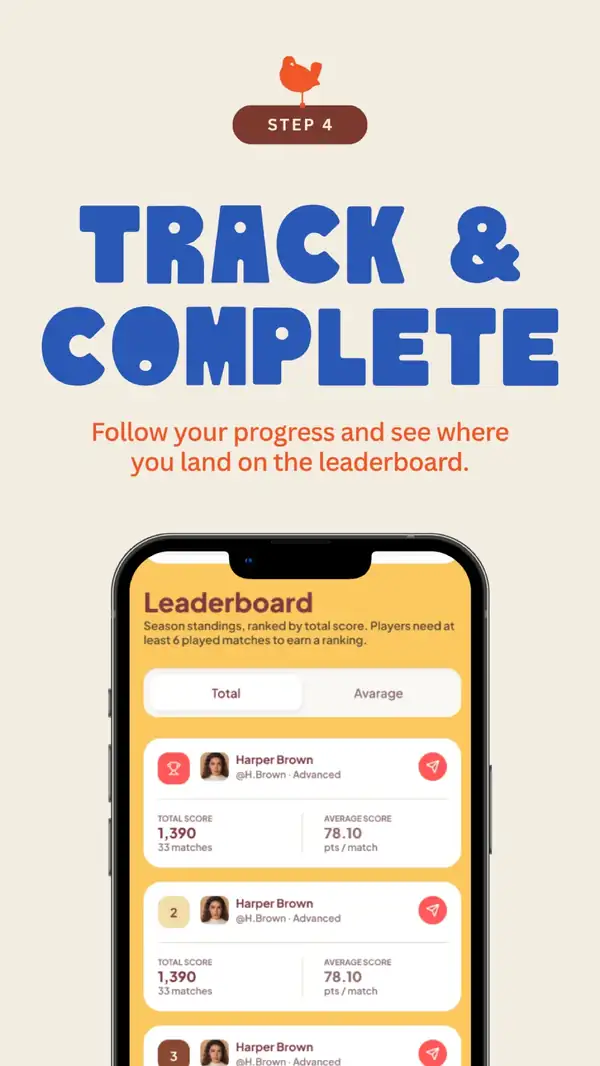
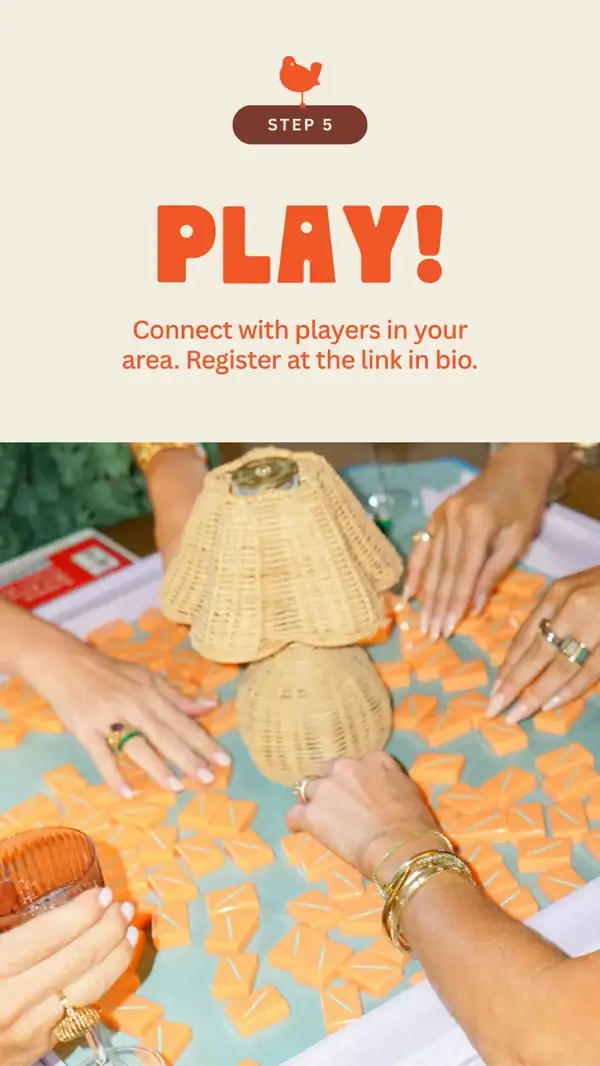
Register by 11:59 PM ET on Aug 24 and you're auto-entered to win an incredible prize pack:
Want to scramble in more than one city? Add additional cities at 50% off your home-base registration.
1. Register for your home-base Scramble first
2. Email bambirdscramble@mahjinthecity.com to add another city
Great for travel, meeting more players, finding more matches!
Questions? Email kerri@bayareamahj.com and I'll walk you through it!
Ready to learn mahjong or host an event? Let's chat!
Whether it's a class for one or a party for fifty, I'd love to hear from you!
Email Kerrior DM me on Instagram
From ancient China to your neighborhood game night
Mahjong was born in China during the Qing dynasty, emerging from card games played along the Yangtze River delta in the mid-1800s. Four players drawing and discarding beautifully crafted tiles in pursuit of winning combinations — the game quickly became a fixture in teahouses, social clubs, and homes across the country. By the early 1900s, it was widely considered the national game of China.
Then came the American craze. In the early 1920s, businessman Joseph Park Babcock brought the game stateside after learning it in Shanghai. He trademarked the name "Mah-Jongg," published a simplified rulebook (the famous "red book"), and added Arabic numerals to the tiles. What followed was one of the biggest game fads in American history — between 1922 and 1924, department stores couldn't keep sets in stock, the game inspired popular songs, fashion designers created mahjong-themed clothing, and Dorothy Meyerson even appeared on television teaching the game. The whole country was obsessed.

Washington DC, 1922 — Library of Congress

The "Group of the Winds" spectacle, 1925 — Library of Congress
The initial mania cooled by the mid-1920s, but the game found a devoted and enduring home in the Jewish American community. Jewish women — particularly in New York — embraced mahjong as a social cornerstone, playing in synagogues, community centers, Catskills resorts, and living rooms across the country. The game became woven into the fabric of Jewish American social life, passed down from mothers to daughters alongside recipes and traditions. In 1937, a group of these dedicated players founded the National Mah Jongg League (NMJL) to bring order to the chaos of competing house rules. Their most brilliant innovation? The annual card — a printed list of all valid winning hands for the year, published each spring. They codified the Charleston, the beloved pre-game ritual of passing tiles, and in 1960 introduced 2 Joker tiles. By 1971, the NMJL standardized the 152-tile set we know today, requiring 8 Jokers and 8 Flowers. The NMJL has published a new card every single year since — an unbroken tradition spanning nearly nine decades.
After decades as a beloved tradition in community centers, country clubs, and living rooms across America, mahjong is experiencing a spectacular revival. A new generation of players has discovered what longtime players always knew: there's nothing quite like the click of tiles, the thrill of a well-played hand, and the friendships that form around the mahjong table. With stunning modern tile sets, vibrant social media communities, and a growing appreciation for this game that bridges generations, American Mahjong has never been more alive. Some things never change — playing mahjong in the pool was all the rage in the 1920s, and it's back! 🀄🏊♀️